The world of quantum computing is advancing at a dizzying pace. As we move beyond the foundational research of the early 2020s, 2027 is shaping up to be a pivotal year where theoretical concepts meet real-world applications. For investors, tech enthusiasts, and industry professionals, staying ahead of the curve is crucial. Here are the key trends in quantum computing to watch for in 2027.
This post contains affiliate links. We may earn a small commission at no extra cost to you.1. The Race for Qubit Stability and Scalability
The primary challenge in quantum computing has always been the delicate nature of qubits. In 2027, we expect to see significant progress in fault tolerance and error correction. Companies like Google, IBM, and Rigetti are doubling down on creating more stable superconducting qubits, while others are making strides with alternative methods like trapped ions and photonics.
The focus is shifting from simply increasing the number of qubits to enhancing their quality. This means longer coherence times and lower error rates, paving the way for more complex and reliable quantum computations. For those looking to understand the fundamentals of this technology, a great starting point is a comprehensive guide like Quantum Computing for Everyone which breaks down these complex topics.
2. The Rise of Quantum Machine Learning (QML)
The intersection of quantum computing and artificial intelligence is one of the most exciting frontiers. In 2027, Quantum Machine Learning (QML) will move from experimental algorithms to practical applications. We'll see QML models being used to solve optimization problems that are intractable for even the most powerful classical supercomputers.
This will have a profound impact on industries like finance, logistics, and drug discovery. Imagine optimizing global shipping routes in real-time or designing new molecules for pharmaceuticals with unprecedented speed and accuracy. As this field grows, forward-thinking investors are exploring platforms like eToro to gain exposure to the public companies leading the quantum charge.
3. Practical Quantum-Resistant Cryptography
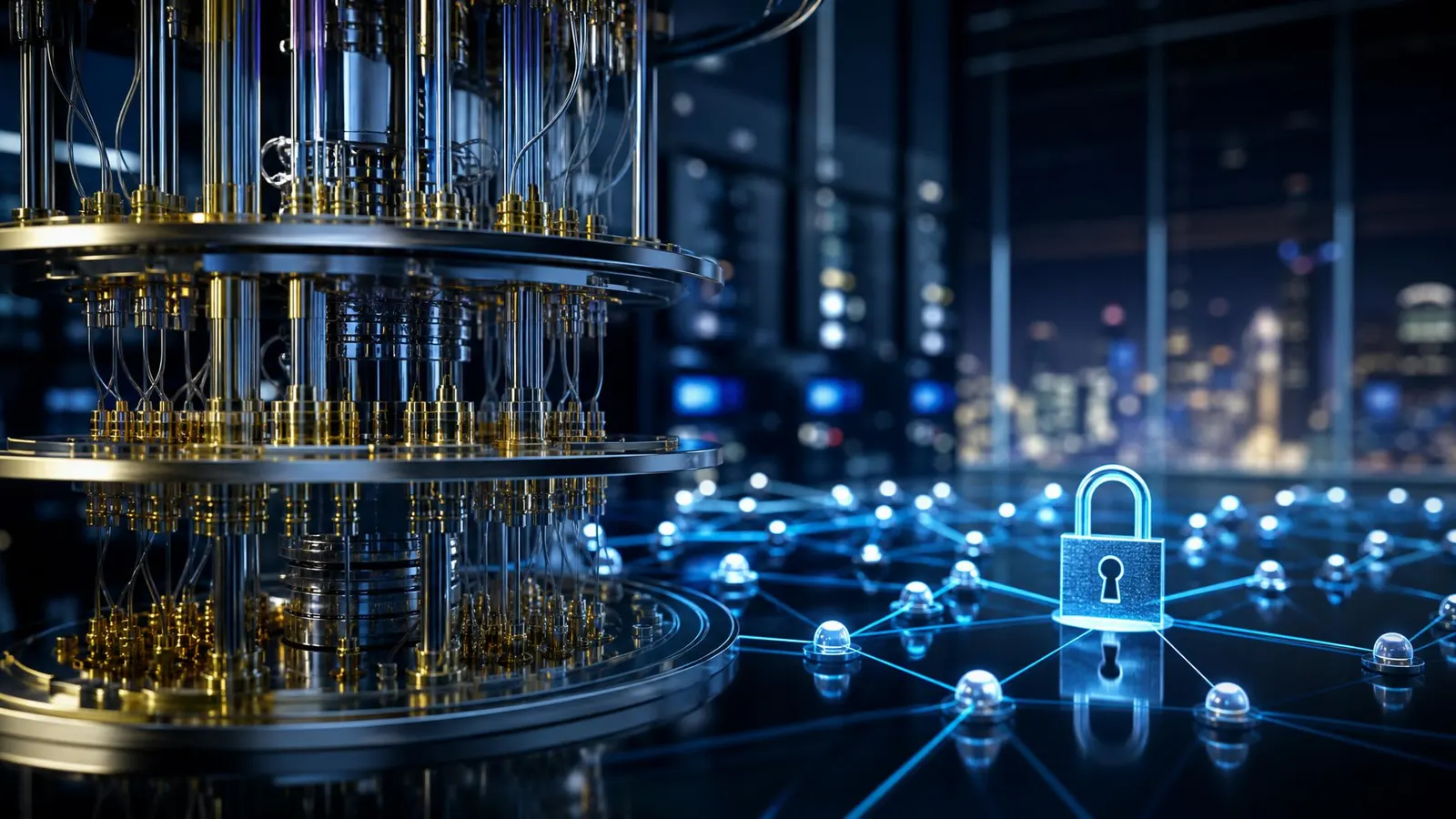
As quantum computers become more powerful, they pose a significant threat to our current cryptographic standards. The ability of a fault-tolerant quantum computer to break RSA encryption is a well-known risk. In response, 2027 will be a critical year for the adoption of quantum-resistant cryptography.
Governments and corporations will accelerate the transition to new cryptographic standards designed to be secure from both classical and quantum attacks. This "crypto-agility" will become a cornerstone of cybersecurity strategies, ensuring that our digital infrastructure remains secure in the quantum era. To grasp the broader implications of technological disruption, books like The Inevitable: Understanding the 12 Technological Forces That Will Shape Our Future offer valuable perspective.
4. Hybrid Quantum-Classical Systems Become the Norm
Purely quantum computers won't replace our classical machines overnight. Instead, the dominant trend in 2027 will be the proliferation of hybrid systems. These solutions will leverage the strengths of both worlds: classical computers will handle data preparation and post-processing, while offloading the most complex parts of a calculation to a quantum processing unit (QPU) via the cloud.
This approach makes quantum computing more accessible and practical for businesses. Companies won't need to build their own quantum data centers; they can simply tap into quantum resources as a service. This model lowers the barrier to entry and will spur a wave of innovation as more developers and researchers gain access. For those eager to build skills in this area, online platforms like Coursera are expanding their offerings in quantum computing courses.
The year 2027 will mark an inflection point for quantum computing, as the technology matures from a scientific curiosity into a powerful tool with tangible commercial value. Keeping an eye on these trends will be key to understanding and capitalizing on the next wave of technological revolution.