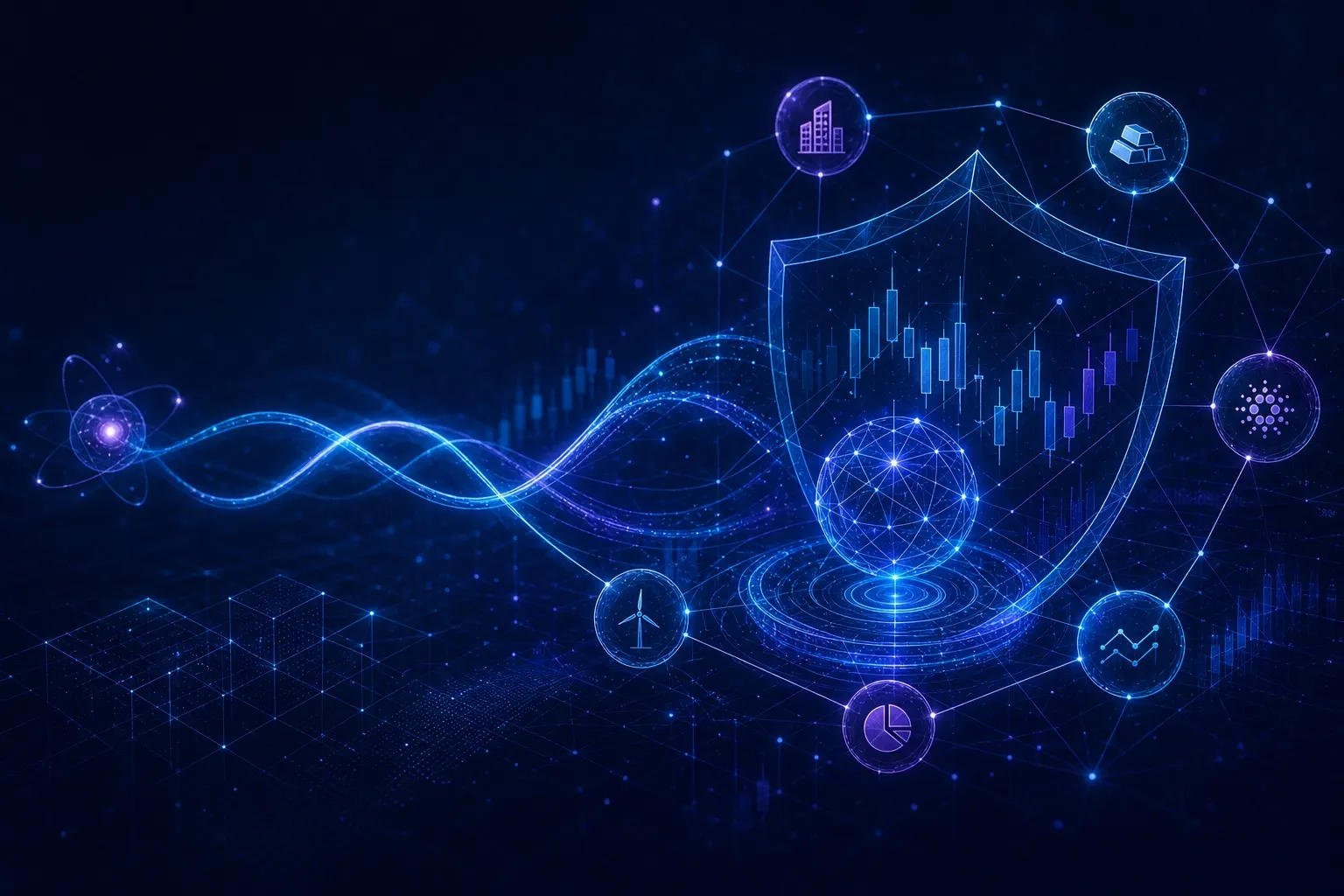
Most investors are focused on quarterly earnings, interest rates, and AI hype cycles. Very few are thinking about the cryptographic risk hiding inside virtually every financial system on Earth. That risk has a name: the quantum computing threat. And building a quantum-safe portfolio is quickly becoming one of the most forward-thinking strategies a tech-aware investor can pursue.
This post contains affiliate links. We may earn a small commission at no extra cost to you.TL;DR: What Is a Quantum-Safe Portfolio?
A quantum-safe portfolio is an investment strategy designed to hedge against — and profit from — the disruption caused by quantum computers breaking today's encryption standards. It involves shifting exposure away from companies and assets that are dangerously unprepared for post-quantum cryptography, while adding positions in quantum-resistant infrastructure, cybersecurity firms, and quantum computing leaders. The threat is real, the timeline is shortening, and the opportunity window is wide open.
Why Post-Quantum Cryptography Is an Investor Issue
Here's the uncomfortable truth: the RSA and ECC encryption algorithms that protect your bank account, your brokerage, and the global financial system will eventually be breakable by a sufficiently powerful quantum computer. This isn't science fiction — it's the conclusion of leading cryptographers and government agencies worldwide.
The NIST Post-Quantum Standards Signal Urgency
In 2024, NIST finalized its first set of post-quantum cryptographic standards, marking a turning point. Governments and regulated industries now have a mandate to migrate. This migration will cost trillions of dollars and take years, creating an enormous investment opportunity in the companies positioned to lead it.
For investors, this is the signal. The post-quantum transition isn't a hypothetical — it's a multi-year infrastructure overhaul playing out across finance, healthcare, defense, and telecommunications.
The Sectors Most Exposed to Quantum Risk
Not all investments carry equal quantum exposure. Some sectors are deeply vulnerable; others are naturally resilient. Understanding this distinction is the first step to building a genuinely quantum-safe portfolio.
Financial Services and High-Frequency Trading
Financial institutions are sitting on decades of encrypted legacy data. A "harvest now, decrypt later" attack — where adversaries collect encrypted data today to decrypt it once quantum computers are capable — is already underway according to intelligence reports. Banks, clearing houses, and payment processors that haven't begun post-quantum cryptography migration are carrying hidden tail risk on their balance sheets.
Conversely, fintech companies and cybersecurity vendors building quantum-resistant protocols are growing rapidly. Look for companies with active engagement in NIST-approved algorithms like CRYSTALS-Kyber and CRYSTALS-Dilithium.
How to Build a Quantum-Safe Portfolio
A quantum-safe portfolio isn't about selling everything and buying one quantum stock. It's about thoughtful rebalancing across three categories.
Category 1: Quantum Computing Leaders
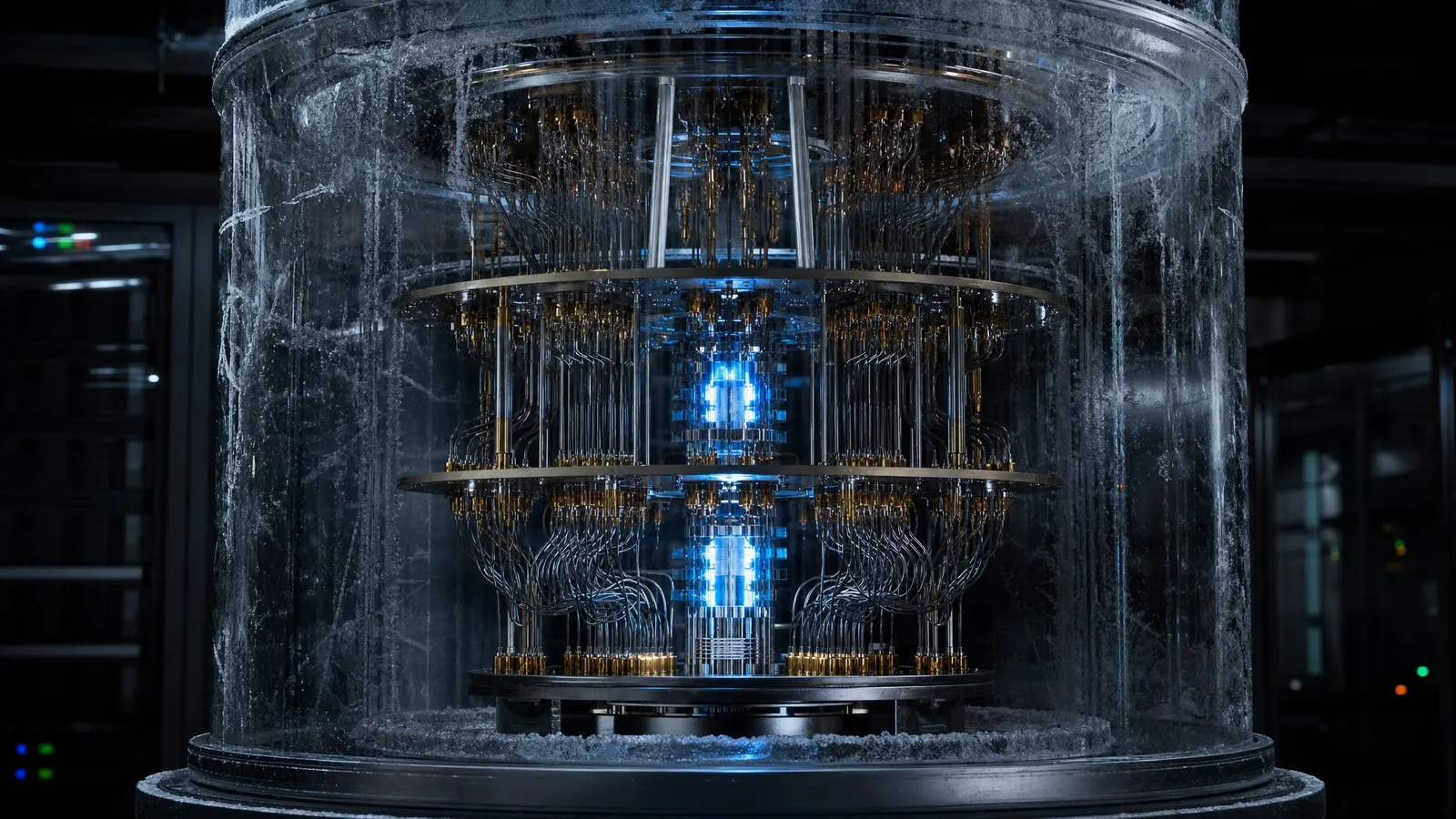
These are the companies actually building the hardware. They stand to profit from the quantum transition regardless of which encryption standards win. IBM, IonQ, Rigetti, and D-Wave are the publicly traded names. For a deeper look at the two leading pure-play contenders, our breakdown of IonQ vs. Rigetti stock covers the key financial and technical differentiators.
To get a broad basket without the single-stock volatility, a quantum-focused ETF can be effective. The Defiance Quantum ETF (QTUM) is one of the most commonly cited vehicles, though broad tech ETFs with heavy quantum-ready holdings are another option.
Category 2: Post-Quantum Cybersecurity Vendors
This is where the near-term revenue opportunity is clearest. Companies like Palo Alto Networks, CrowdStrike, and emerging pure-plays focused specifically on post-quantum cryptography migration services are directly monetizing the migration wave. As enterprises rush to comply with new NIST standards, these vendors will see demand surge.
Category 3: Government and Defense Contractors
Defense contractors with quantum programs — Lockheed Martin, Northrop Grumman, Booz Allen Hamilton — are both quantum-safe and quantum-invested. Governments are the largest single buyer of quantum-resistant infrastructure globally, and these contractors sit squarely at that intersection.
De-Risking: What to Reduce or Avoid
Just as important as what you add is what you reduce. Consider trimming exposure to:
- Legacy financial infrastructure companies that have shown no roadmap for post-quantum migration
- Cloud providers or SaaS companies with significant government contracts that haven't disclosed post-quantum readiness
- Long-duration bonds and debt instruments from issuers that are heavily dependent on unmitigated cryptographic security
This isn't a sell-everything warning — it's a signal to add a lens to your due diligence process.
Educating Your Investment Thesis
The quantum investment space moves fast and is full of hype. Building a credible thesis takes genuine understanding. Two books consistently recommended by serious quantum investors are Quantum Computing: An Applied Approach by Jack Hidary and The Second Quantum Revolution by Sankar Das Sarma. Both are technical enough to be credible, accessible enough for a non-physicist investor.
Pairing that with a platform like Morningstar or Seeking Alpha to track institutional filings mentioning post-quantum cryptography gives you an ongoing information edge.
FAQ
What does "quantum-safe" mean in the context of investing?
In investing, "quantum-safe" refers to a portfolio positioned to withstand — or profit from — the disruption caused by quantum computers eventually breaking current encryption methods. It includes holdings in quantum computing companies, post-quantum cybersecurity vendors, and defense contractors, while reducing exposure to legacy institutions that are unprepared for the transition.
How soon should I worry about quantum threats to my portfolio?
Most experts estimate that cryptographically relevant quantum computers (CRQCs) capable of breaking RSA encryption are 5–15 years away. However, "harvest now, decrypt later" attacks mean the timeline for portfolio action is now, not when the hardware arrives. Regulatory mandates for post-quantum migration are also accelerating the investment cycle.
Are there ETFs specifically for quantum-safe portfolio investing?
Currently, no ETF is explicitly branded as a "quantum-safe" fund. The closest options are quantum-focused ETFs like QTUM (Defiance Quantum ETF) and broad cybersecurity ETFs like CIBR or BUG, combined strategically. As the market matures, more targeted products will likely emerge.